Future of Remarketing: Microsoft Chooses Impressions
Introduction: The Shift in Remarketing
Traditional remarketing strategy has centered on click-based attribution, but Microsoft Ads remarketing is now embracing an impression-first approach. This game-changing shift matters for advertisers, marketers, and brands: while Google and Meta stick with click-through metrics, Microsoft is betting that impression based marketing can better measure true brand impact. In this blog, you’ll find definitions, comparisons, benefits, challenges, and actionable strategies covering the future of remarketing in 2025.
What Is Remarketing Today? (Clicks-First Model)
Remarketing definition: In digital marketing, remarketing means targeting ads to users who have previously interacted with your brand. Most platforms run on a clicks-first model, where a user must click on an ad or visit your site to be added to a remarketing audience. In Google Ads and Meta Ads, remarketing relies heavily on CTR-focused segments, using conversion pixels and cookie tracking.
- What is remarketing in digital marketing: Serving relevant ads to engaged or lapsed audiences for higher conversion rates.
- Google remarketing vs Microsoft remarketing: Google prioritizes click-based signals, while Microsoft is moving toward view- and impression-led lists.
Benefits: Higher conversion rates, targeted messaging, strong ROI.
Challenges: Clicks are becoming less reliable with fragmented browsing and rising banner blindness.
Microsoft’s New Bet: Impressions Over Clicks
Microsoft Ads remarketing is revolutionizing the model by allowing advertisers to build lists from users who have only viewed ads—not necessarily clicked. This supports view-through conversions, recognizing the influence of ad exposure over direct click behavior.
- Impression based marketing: Targeting audiences based on ad views (impressions), rather than clicks alone.
- Microsoft advertising trends: In 2025, the platform lets you combine up to 20 campaigns to build impression-based audiences for cross-channel targeting.
Why impressions matter:
- Greater focus on brand recall, ad frequency, and multi-channel influence.
- Surfaces new signals for conversions from people who see, but don’t click, your ads.
Why Impressions May Outperform Clicks
The limitations of click-driven attribution are growing in the multi-device world. Low CTRs, fragmented browsing, and privacy limits mean fewer users are captured by traditional pixels.
- Future of remarketing: Impression tracking is emerging as the gold standard for awareness-based attribution.
- Impression vs click advertising: Impressions align better with top-of-funnel goals, while clicks are more conversion-centric.
- Display advertising trends: Platforms now value engagement and assisted conversions from ad views.
- Brand awareness vs clicks: Multiple exposures drive recall—even without clicks.
Advantages of impression tracking:
- Increased brand awareness.
- Captures assisted and post-view conversions.
- Adapts to consumer journeys that cross devices and channels.
Comparison: Google Ads vs Microsoft Ads Remarketing
| Feature/Platform | Google Ads | Microsoft Ads |
| Attribution Model | Click-based | Impression-led (2025) |
| Audience Build | Site visits, clicks | Ad views, plus clicks |
| Key Metric | CTR, conversion rate | Reach, brand recall, view-through conversions |
| Budget Allocation | Optimizes for clicks | Optimizes for impressions + clicks |
| Integration | Google Network/YouTube | Microsoft Audience Network (LinkedIn, Bing, Outlook) |
| Status 2025 | Little change | Aggressive impression tracking roll-out |
Google ads remarketing strategy: Still focuses on conversion tracking and click signals.- Microsoft ads vs Google ads: Microsoft lets advertisers create impression-based lists for broader reach.
- Best remarketing platform 2025: May vary by campaign goals—brand-driven businesses may lean toward Microsoft.
Benefits for Advertisers & Businesses
Advertisers stand to gain from Microsoft’s move:
- Lower CPC and more efficient CPM vs CPC advertising—impressions can cost less than clicks.
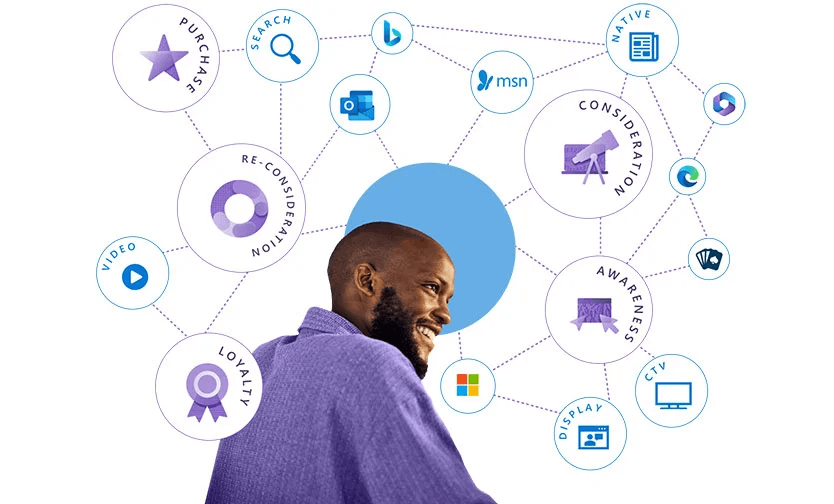
- Greater reach using the Microsoft audience network remarketing, including LinkedIn, Bing, Outlook, and MSN.
- Ideal for industries prioritizing brand impressions: finance, travel, SaaS.
- Remarketing benefits for business: Stronger cross-channel attribution, wider audience nets, scalable brand campaigns.
Challenges & Risks of Impression-Based Remarketing
- Remarketing challenges: Viewability can be unreliable; ads may be shown but not seen.
- Ad viewability issues: Some impressions have low attention; risk of wasted spend.
- Attribution is more complex: did the conversion come from an impression or another channel?
- Future of cookies and remarketing: Privacy changes and cookie deprecation threaten old-school tracking; AI targeting offers new solutions but is less transparent.
The Future of Remarketing: What Marketers Should Do
The hybrid future will mix clicks and impressions for optimal results.
- Test Microsoft Ads remarketing experiments to find your ideal mix.
- Digital marketing remarketing strategy: Diversify across Google, Meta, Microsoft, and top DSPs.
- Focus resources on creative assets and audience segmentation.
- Prepare for the future of remarketing 2025: adaptive, multi-touch attribution and smarter cross-channel tracking.
- Track future of display advertising for ongoing updates.
FAQs
What is impression-based remarketing?
Impression-based remarketing builds ad audiences from people who viewed your ads, not just those who clicked—unlocking new brand and conversion possibilities.
Is remarketing still effective in 2025?
Yes, as platforms evolve, hybrid models and multi-touch attribution let advertisers reach broader, more engaged audiences.
Which is better, clicks or impressions?
Clicks drive direct conversions, impressions drive brand recall and multi-stage conversions. The best approach mixes both.
How does Microsoft Ads remarketing work?
Microsoft lets advertisers build lists by combining ad view signals across up to 20 campaigns, targeting users by exposure and clicks.
Will Google shift to impressions?
Not fully in 2025, but industry trends indicate growing interest.
Conclusion
Microsoft Ads remarketing puts the spotlight on impressions, signaling the future of remarketing will revolve around multi-touch, multi-signal attribution. Brands should start testing impression-based models now—hybrid attribution is coming fast.
Call to action: Start testing impression-based remarketing with Microsoft Ads now to stay ahead of the curve.