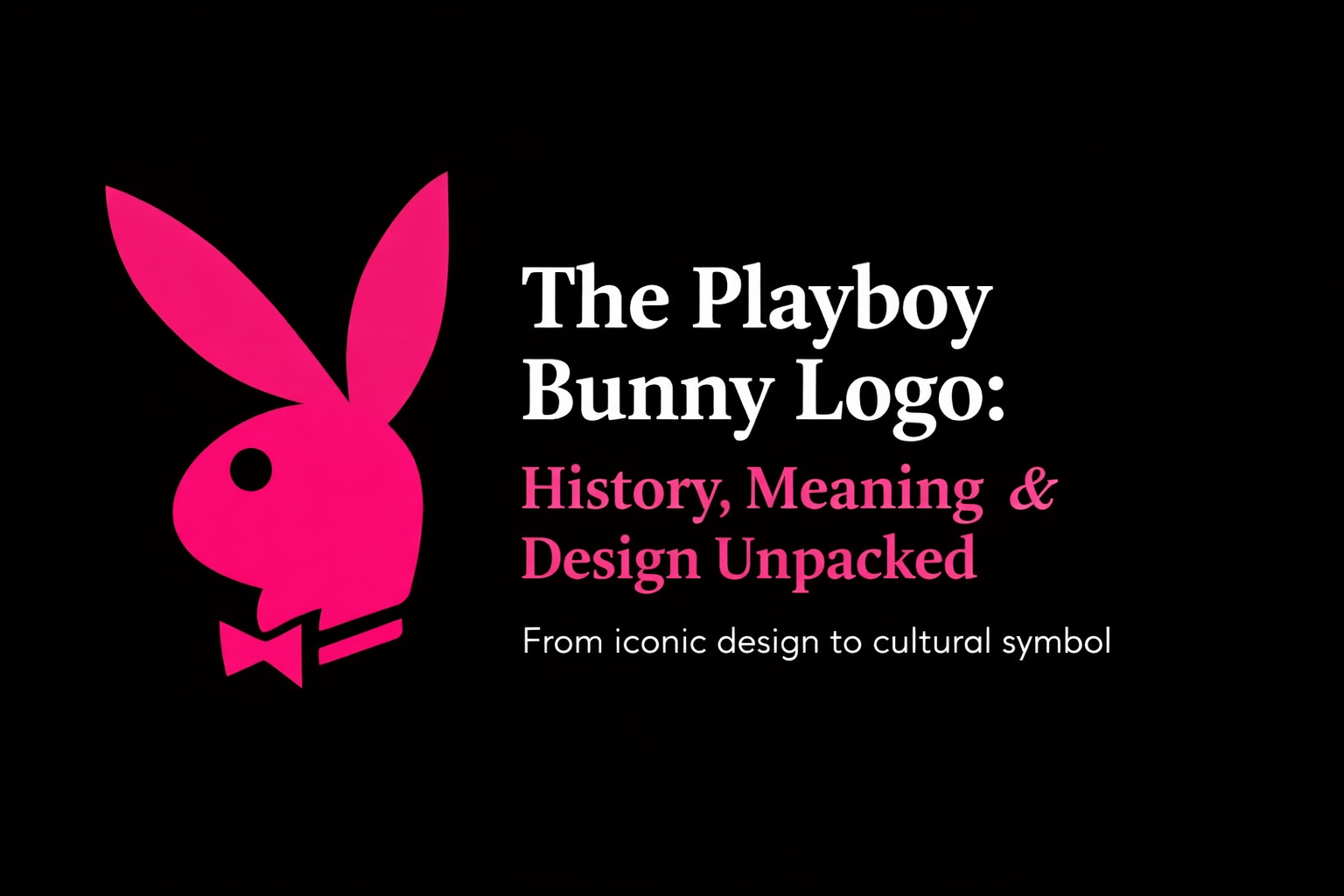
The Iconic Playboy Bunny Logo: History, Meaning, and Design Unpacked
Few corporate symbols are as instantly recognizable and culturally resonant as the Playboy Bunny logo. With its sleek lines, playful posture, and unmistakable bowtie, the mischievous rabbit head has transcended its origins to become a global icon of sophistication, rebellion, and a particular lifestyle. But what is the true story behind this enduring emblem? Let's unpack the history, meaning, and brilliant design that made the Playboy Bunny a legend.
The Genesis of an Icon: Hugh Hefner's Vision and Art Paul's Genius
The year was 1953, and Hugh Hefner was preparing to launch his revolutionary magazine, Playboy. He needed a mascot that would embody the publication's unique blend of sophistication, wit, and underlying sensuality, without being overtly explicit. He envisioned something playful, yet elegant—a symbol that could be both fun and classy.
Hugh Hefner's Initial Concept
Hefner initially considered a deer or a stag, symbols of elegance, but found them too passive. He sought an animal that conveyed a sense of mischief and quick wit, something that could 'escape' social norms.
Art Paul: The Architect of the Bunny
Enter Art Paul, Playboy's first art director. Tasked with creating the magazine's identity, Paul delved into various concepts. It was during this creative process that the idea of a rabbit emerged. Hefner quickly approved, seeing the rabbit's playful nature as a perfect fit for the magazine's tone. Paul famously sketched the now-iconic bunny in about half an hour, including the tuxedo bowtie – a last-minute addition suggested by Paul himself to elevate the design from a simple rabbit to a dapper, sophisticated character.
Unpacking the Meaning of the Playboy Bunny
The Playboy Bunny is far more than just a cute animal with a tie; its design is imbued with layers of meaning that contribute to its timeless appeal.
- Sophistication and Style: The tuxedo bowtie is key. It immediately elevates the rabbit from a common creature to one associated with formal elegance, black-tie events, and a refined lifestyle.
- Playfulness and Mischief: Rabbits are known for their speed, fertility, and elusive nature. These traits align with the magazine's early ethos of breaking taboos and embracing a life of pleasure and freedom. The bunny's side profile and slightly raised ears suggest a creature that is alert, quick-witted, and always ready for fun.
- Subtlety and Suggestion: Hefner wanted a symbol that was suggestive without being explicit. The bunny's elusive nature and sly glance hint at naughtiness without showing it, embodying a sophisticated playfulness rather than overt sexuality.
- An 'Inside Joke': As Hefner himself explained, the bunny was a humorous, even ironic, counterpoint to the more serious content of the magazine. It suggested a lighthearted approach to life's pleasures.
The Design Elements and Enduring Appeal
The genius of Art Paul's design lies in its simplicity and effectiveness. The logo is minimalist, using only a few lines to create a recognizable and memorable image.
- Simplicity: The clean lines and lack of excessive detail ensure the logo is easily reproducible and scalable, from a small lapel pin to a large billboard.
- Distinctive Silhouette: Even without color, the outline of the bunny head with its long ears and bowtie is unmistakable. This strong silhouette is a hallmark of truly great logo design.
- Timelessness: Unlike many designs that become dated, the Playboy Bunny has remained remarkably fresh for over half a century. Its abstract quality allows it to adapt to various trends without losing its core identity.
Conclusion: A Legacy Beyond the Pages
The Playboy Bunny logo, conceived by Hugh Hefner and brought to life by Art Paul, stands as a testament to powerful branding and iconic design. It's a symbol that has navigated cultural shifts, controversies, and evolving media landscapes, yet continues to be recognized globally. More than just a magazine mascot, the Playboy Bunny is a fascinating case study in how a simple graphic can embody a complex set of values and become an enduring emblem of popular culture.