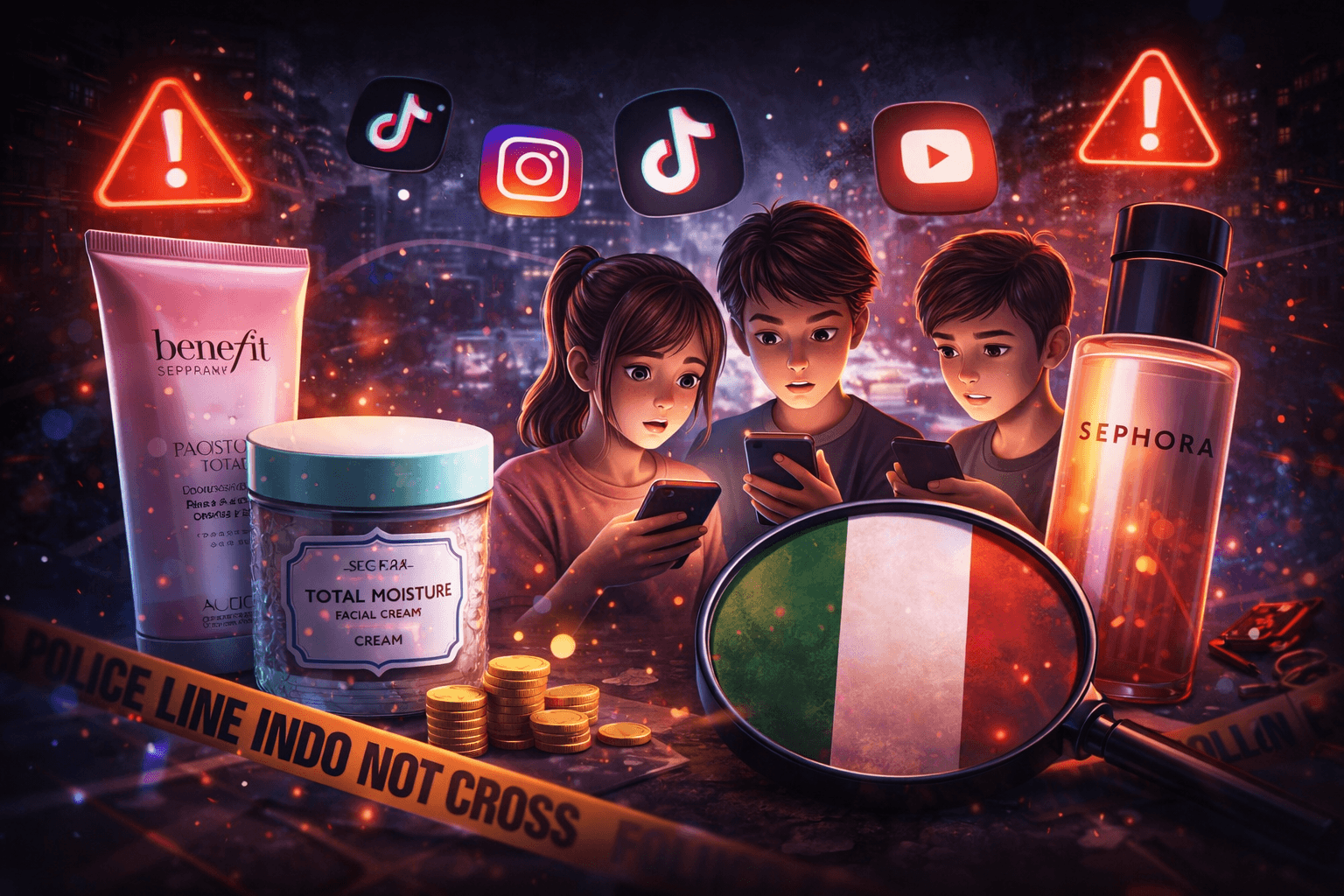
Italy Probes Sephora & Benefit for Marketing Skincare to Kids
The beauty industry, a vibrant and ever-evolving landscape, often mirrors societal trends and consumer desires. However, a significant development in Italy is now prompting a critical re-evaluation of marketing ethics, particularly concerning the youngest demographic. Italy's antitrust authority, the Autorità Garante della Concorrenza e del Mercato (AGCM), has launched a formal investigation into beauty giants Sephora and Benefit Cosmetics. At the heart of this inquiry are allegations that these brands have engaged in marketing strategies that inappropriately target children and adolescents with sophisticated skincare products, potentially misleading them about the necessity and benefits of such items.
This investigation, which we have systematically analyzed, shines a spotlight on the burgeoning trend of young children adopting elaborate skincare routines, often influenced by social media. It raises crucial questions about corporate responsibility, consumer protection, and the psychological and dermatological impact on vulnerable minors. We will delve into the specifics of Italy's probe, explore the underlying factors driving this phenomenon, and discuss the broader implications for both the beauty industry and parental guidance.
Want more leads from your website?
Get a FREE website audit and discover exactly what’s stopping your growth.
✅ SEO Audit
✅ Lead Generation Plan
✅ Competitor Analysis
The Heart of the Matter: Why the Investigation?
The Rise of "Kidfluencer" Culture and Skincare Trends
In recent years, the digital landscape, dominated by platforms like TikTok and Instagram, has transformed how beauty trends proliferate. We observe a distinct rise in "kidfluencer" culture, where young individuals, or even children featured by their parents, showcase elaborate beauty and skincare routines. This exposure has dramatically lowered the age at which children are introduced to, and subsequently desire, adult-oriented skincare products. What was once the domain of teenagers and adults has now permeated elementary and middle school age groups, driven by viral trends and peer influence.
Brands, wittingly or unwittingly, can capitalize on these trends. The investigation suggests that Sephora and Benefit, directly or indirectly, have contributed to this environment by promoting products that appeal to a younger audience, or by failing to adequately gate their marketing to exclude minors. This creates a challenging situation where children, lacking the critical discernment of adults, are exposed to marketing that may not be appropriate for their age or skin needs.
Specific Allegations Against Sephora and Benefit
The AGCM's investigation focuses on several key areas of concern. Primarily, it scrutinizes whether the marketing and sales practices of Sephora and Benefit, particularly within their physical stores and online platforms, are specifically designed to entice minors into purchasing high-end, often complex, skincare products. These products frequently contain active ingredients like retinoids, alpha hydroxy acids (AHAs), and peptides, typically formulated for mature skin concerns such as anti-aging or severe acne.
Allegations include the use of promotional material, product placements, and social media campaigns that implicitly or explicitly target children, presenting these products as essential for their self-care or social acceptance. Concerns also extend to the potential lack of clear age-appropriate guidance or warnings on packaging or promotional materials, leaving young consumers and their parents ill-informed about the suitability and potential risks of these products for developing skin.
As Reuters reported, the Italian authority stated that "the companies allegedly promoted products for treatments such as anti-aging and anti-acne to children and adolescents, leveraging the widespread habit among young consumers to imitate social media influencers and celebrities." This highlights the specific concern about brands leveraging social media trends without adequate safeguards.
Ethical Marketing and Child Protection
The core of this investigation lies in the principles of ethical marketing and child protection. Children are recognized as a particularly vulnerable consumer group due to their developing cognitive abilities and susceptibility to external influences. Marketing directed at children carries a heightened ethical responsibility to be truthful, non-exploitative, and mindful of potential negative impacts on their physical and psychological well-being. We believe that companies have a moral and legal obligation to ensure their marketing practices do not unduly pressure or mislead minors.
The Impact on Children's Health and Well-being
Dermatological Concerns
The primary concern regarding children using adult skincare products is the potential for dermatological harm. Children's skin is fundamentally different from adult skin; it is thinner, more sensitive, and has a developing skin barrier. Introducing harsh chemicals, exfoliants, or anti-aging ingredients can lead to a host of adverse reactions. These may include:
- Irritation and Redness: Many active ingredients designed for adult skin can be too potent for a child's delicate epidermal layer.
- Allergic Reactions: Children may be more prone to developing contact dermatitis or other allergic responses to complex formulations.
- Disruption of the Skin Barrier: Over-exfoliation or aggressive cleansing can compromise the skin's natural protective barrier, leading to dryness, increased sensitivity, and susceptibility to infections.
- Acne Exacerbation: Paradoxically, using inappropriate products can sometimes worsen existing skin conditions or even induce new forms of irritation, rather than solving perceived problems.
As Yale Medicine notes, dermatologists are concerned that "using these products prematurely can irritate the skin, cause allergic reactions, and potentially lead to long-term skin problems." This expert consensus underscores the potential health risks involved.
Psychological and Social Ramifications
Beyond physical health, the premature introduction to sophisticated skincare can have significant psychological and social ramifications. We often observe that the pressure to maintain a 'perfect' complexion at a young age can contribute to body image issues, anxiety about appearance, and an unhealthy focus on perceived flaws.
Children should be engaged in activities that foster healthy development, self-esteem, and social interaction, rather than being preoccupied with anti-aging concerns or an extensive beauty regimen. Marketing that promotes the idea that children "need" these products can create unnecessary consumerism pressure, diverting resources and attention from more age-appropriate pursuits and fostering a materialistic worldview from an early age.
Regulatory Landscape and Corporate Responsibility
Italy's Stance: A Precedent?
Italy's investigation by the AGCM is not an isolated event but rather indicative of a growing global scrutiny of marketing practices targeting vulnerable consumer groups. The AGCM's proactive stance could set an important precedent for other European Union member states and potentially influence regulatory bodies worldwide. If found in violation, Sephora and Benefit could face significant fines and be required to alter their marketing strategies. This could herald a broader shift towards more stringent regulations on how beauty products are advertised and sold to minors.
The Role of Brands in Ethical Marketing
Corporate social responsibility (CSR) dictates that companies operate ethically and contribute to societal well-being. In the context of marketing to children, this means exercising extreme caution. Responsible brands should implement clear age-gating mechanisms for certain products, ensure transparent labeling with age recommendations, and refrain from using advertising that exploits children's insecurities or naivety. Balancing business objectives with consumer protection, especially for minors, is a critical ethical imperative.
To further illustrate, we can compare current practices with an ideal ethical framework:
| Unethical/Problematic Marketing Practices (Current Concerns) | Ethical Marketing Practices (Ideal Standard) |
|---|---|
| Using influencers or content appealing directly to minors for complex products. | Targeting advertising only to adult demographics for sophisticated products. |
| Lack of clear age recommendations or warnings on packaging/promotions. | Prominently displaying age-appropriateness and potential ingredient warnings. |
| Promoting anti-aging or specialized adult treatments as necessary for young skin. | Focusing on basic, gentle skincare (cleansing, moisturizing, SPF) for minors. |
| Creating an environment where children feel pressured to buy expensive products. | Educating parents and children about skin health and product suitability. |
Future Implications and Our Collective Responsibility
Broader Implications for the Beauty Industry
The outcome of Italy's investigation could have far-reaching consequences for the entire beauty industry. It may lead to a push for new industry standards, stricter advertising codes, and increased scrutiny from regulatory bodies across other countries. Brands might be compelled to reformulate products, revise their packaging to include age disclaimers, and significantly alter their digital marketing strategies to prevent inadvertent targeting of minors. This could foster a more responsible and child-friendly beauty market.
Our Collective Responsibility
Addressing this issue requires a multi-faceted approach involving parents, educators, regulators, and brands. Parents play a crucial role in monitoring their children's social media consumption and educating them about healthy body image and critical consumerism. Educators can integrate media literacy into curricula, empowering children to critically evaluate advertising messages. Regulators must continue to enforce ethical marketing standards, while brands must uphold their corporate responsibility to protect their youngest consumers. We believe that by working together, we can foster an environment where children can develop a healthy relationship with beauty and self-care, free from undue commercial pressures.
Conclusion
Italy's investigation into Sephora and Benefit for marketing skincare to children is a timely and critical intervention. It underscores the urgent need for a more ethical and responsible approach to marketing within the beauty industry, particularly when children are involved. The premature exposure to sophisticated skincare products can pose both dermatological risks and contribute to psychological pressures on young individuals. As we move forward, the focus must remain on protecting vulnerable minors, ensuring that marketing practices are transparent, age-appropriate, and aligned with principles of child well-being. This investigation serves as a powerful reminder that while innovation drives commerce, ethical considerations must always guide its direction.
Ready to grow your business with proven strategies?
We help brands generate consistent leads using SEO, Ads & Automation.
Book a FREE 30-min strategy call today
Or chat with us instantly on WhatsApp