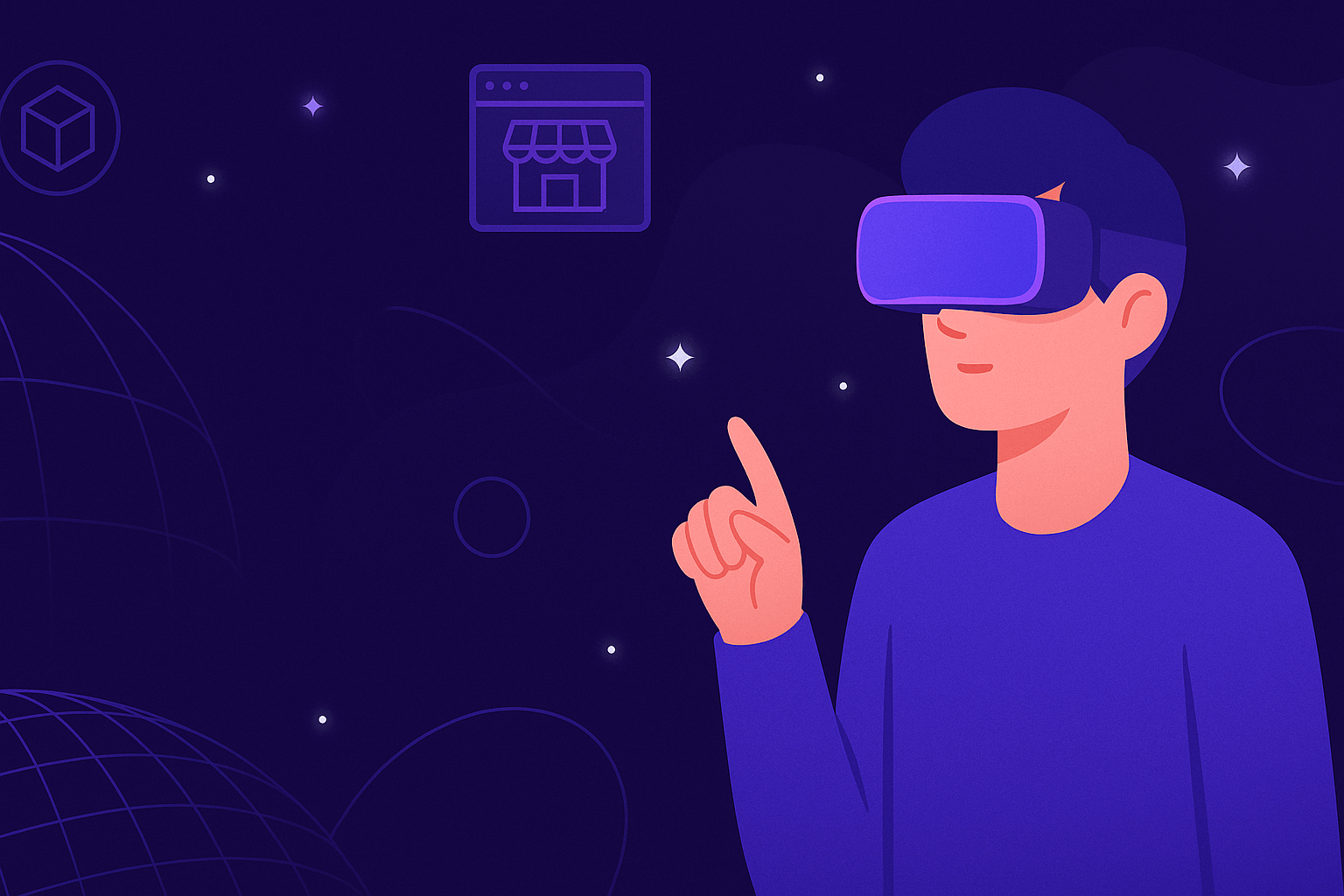
If you feel like digital marketing is changing too fast, you’re not alone. Just when brands finally got comfortable with Instagram Reels and AI tools, the next big thing is already knocking on the door — metaverse marketing 2026.
And no, the metaverse isn’t some sci-fi world anymore. It’s slowly becoming a real customer space, especially with AR glasses, VR shopping rooms, virtual events, and digital storefronts going mainstream.
So the big question is simple:
How should brands prepare for virtual customer experiences in 2026?
Let’s break it down in a simple, no-jargon way.
What Exactly Is Metaverse Marketing?
Think of the metaverse as a massive, shared 3D internet.
Instead of scrolling a website, your customer can walk into your virtual store.
Instead of watching a promo video, they can experience your product in AR/VR.
That’s metaverse marketing — using virtual worlds to build immersive brand experiences that feel real.
Most marketers in India still think it’s “too early”, but by 2026, brands that start preparing now will be miles ahead.
Why 2026 Will Be the Turning Point
Here’s what’s changing:
- AR glasses from Apple, Meta and Samsung will be mainstream.
- VR headsets will become as normal as smartwatches.
- Indian consumers (especially Gen Z) already spend 5–6 hours daily on digital worlds like gaming, virtual hangouts, online events.
- Brands are shifting budgets from traditional ads to immersive content.
If people start spending more time in virtual spaces, brands will follow.
That’s why virtual brand experiences in the metaverse will become one of the fastest-growing marketing trends.
How Brands Should Prepare for Metaverse Marketing in 2026
Below are the steps brands must take — explained like you’re chatting with a friend over coffee.
1. Start building small, interactive virtual experiences
You don’t need a full metaverse store on day one.
Start small, like:
- AR try-on filters
- Virtual product demos
- 360-degree showrooms
- VR events or workshops
- Gamified brand experiences
For example, if you’re a fashion brand, let your users check outfits in AR.
If you’re a real estate brand, let them walk into a home virtually.
These micro experiences train your audience for what’s coming in 2026.
2. Focus on storytelling instead of just selling
Nobody enters a virtual world to see ads.
They enter to experience something.
So instead of saying “Buy this”, brands should focus on immersive marketing strategies like:
- Virtual brand stories
- Interactive challenges
- Digital collectibles
- Virtual loyalty points
- Game-like customer journeys
People remember experiences, not ads.
3. Invest in AR/VR content creation now
Creating AR and VR content is different from making videos or graphics.
Brands will need:
- 3D product models
- Virtual environments
- Digital avatars
- Spatial audio
- High-quality immersive storytelling
This industry will explode in India, and the brands who already have these assets will dominate.
If you already have a digital marketing agency (like Catlist Media), this is the time to expand into AR VR content.
4. Build a “virtual-first” customer experience
Ask yourself:
If your customer walked into your virtual store today, what would they see?
Brands will need to plan:
- Virtual store layouts
- How users navigate
- How products appear
- How customer support works
- How payments and checkouts work
A good example:
Imagine a skincare brand offering skin analysis inside a virtual room where an avatar of the dermatologist explains everything.
Simple, engaging, and super personal.
5. Prepare for digital products (yes, virtual goods!)
By 2026, brands won’t just sell physical items.
They’ll sell:
- Digital fashion
- Virtual collectibles
- NFT-style loyalty cards
- Exclusive access passes
- Upgradable digital products
Gen Z spends more money on digital identities than you think.
Brands that ignore digital goods will lose a massive revenue channel.
6. Strengthen your overall digital presence before stepping into the metaverse
The metaverse won’t magically fix weak online branding.
Before entering virtual worlds, brands need:
- Strong SEO
- Well-optimized social media profiles
- Engaging content
- Email marketing automation
- Paid campaigns that drive actual ROI
Because the metaverse will amplify your strengths — and weaknesses.
To improve digital foundations, brands can explore services like:
- SEO: https://catlistmedia.com/services/search-engine-optimization/
- Social Media Marketing: https://catlistmedia.com/social-media-marketing-company-delhi/
- Content Marketing: https://catlistmedia.com/content-marketing/
- PPC & Performance Marketing: https://catlistmedia.com/ppc-performance-marketing/
And of course, many insights are already shared on Catlist Media’s blog section:
https://catlistmedia.com/blog/
Metaverse Marketing for Indian Brands: What Makes It Different
India will play a unique role in this revolution.
Why?
- Our gaming audience is huge
- Brands in Tier 1 cities are early adopters
- AR try-on and VR tours are becoming common in ecommerce
- Tech-savvy Gen Z prefers virtual experiences over in-store visits
- Indian creators are already leading in AR effects
So if you’re a brand in India, 2026 is your opportunity to lead, not follow.
Action Plan: What You Should Start Doing Today
Here’s a simple checklist you can implement immediately:
| Step | What to Do |
| 1 | Build AR filters or 3D models of products |
| 2 | Create a VR event or interactive brand experience |
| 3 | Train your marketing team in spatial content |
| 4 | Strengthen your SEO and social media presence |
| 5 | Explore digital goods to sell in virtual spaces |
| 6 | Partner with an agency that understands immersive marketing |
If you start now, by 2026 your brand will be ready for full metaverse integration.
Conclusion: The Brands That Prepare Early Will Win Big
Metaverse marketing isn’t a trend.
It’s the next version of the internet.
And like every major shift, early adopters will enjoy lower competition, deeper customer loyalty, and a completely new market.
If your brand wants to create virtual customer experiences that feel real, now is the moment to start preparing.
To build these experiences with expert guidance, you can connect with us at Catlist Media.
CTA: https://catlistmedia.com/contact/
FAQs (People Also Ask)
1. What is metaverse marketing?
It’s a way for brands to create virtual experiences using AR, VR, and 3D worlds where customers can interact with products.
2. Why will metaverse marketing become important in 2026?
Because AR/VR devices, virtual shopping, digital goods, and immersive brand experiences will become mainstream.
3. Can Indian brands benefit from the metaverse?
Absolutely. India has one of the largest digital audiences and fastest adoption of virtual experiences.
4. Is the metaverse only for big brands?
Not at all. Small businesses can start with AR filters, virtual demos, or 3D product showcases.
5. How do I get started?
Begin by strengthening your digital presence, experimenting with small AR/VR experiences, and working with experts who understand immersive marketing.